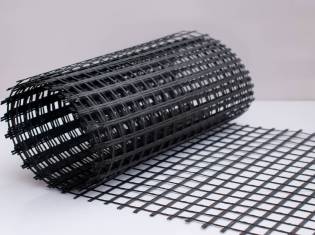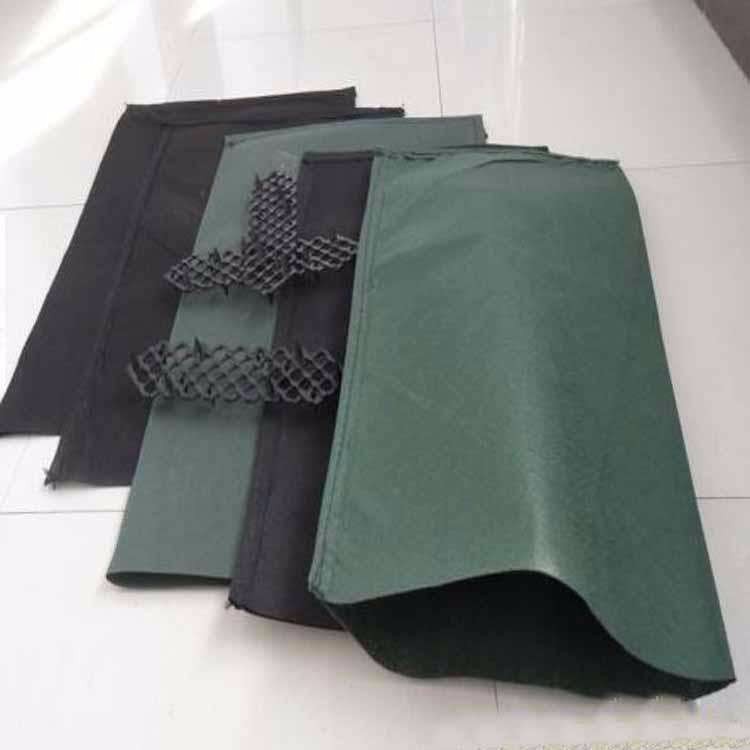
Material: High strength PP woven fabric
Tensile Strength: 60KN/m
CBR: 5KN
O90: 0.4-0.8mm
O50: 35 L/㎡/s
UV resistance:90%
The booming palm oil industry faces a persistent challenge: palm oil mill effluent (POME) treatment. Traditional anaerobic and aerobic pond systems are easily disrupted by tropical rainstorms, while continuous sludge buildup reduces effective pond capacity. Mills are forced into costly sludge excavation or new pond construction. Geotextile tube dewatering systems offer an efficient, cost-effective solution to resolve these long-standing pain points.
Around 2.5 tonnes of POME is generated per tonne of palm fruit processed, rich in oil, cellulose and organics. Improper discharge causes eutrophication and damages aquatic ecosystems.
Heavy rainfall stirs settled sludge, disturbs microbial balance and leads to unstable BOD/COD indicators.
Sludge accumulates at 15%–20% of pond volume annually. Within 3–5 years, ponds lose treatment capacity. Mechanical desludging and new pond construction bring high costs and land/permits pressure. Sun-drying sludge is slow and weather-reliant.
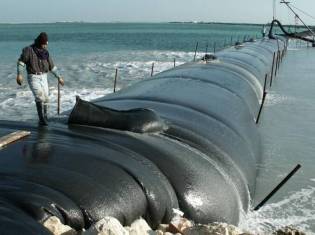
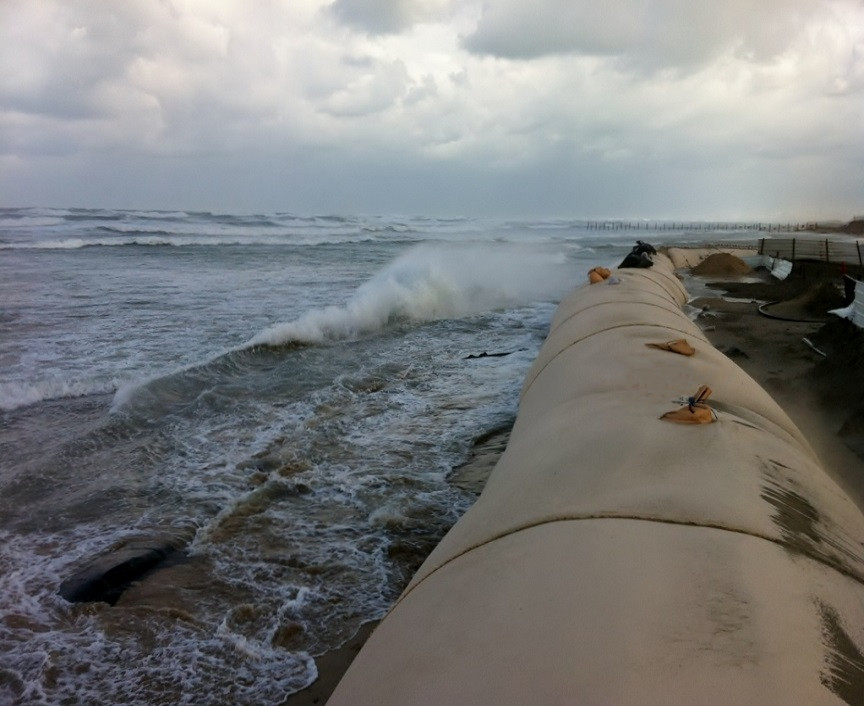
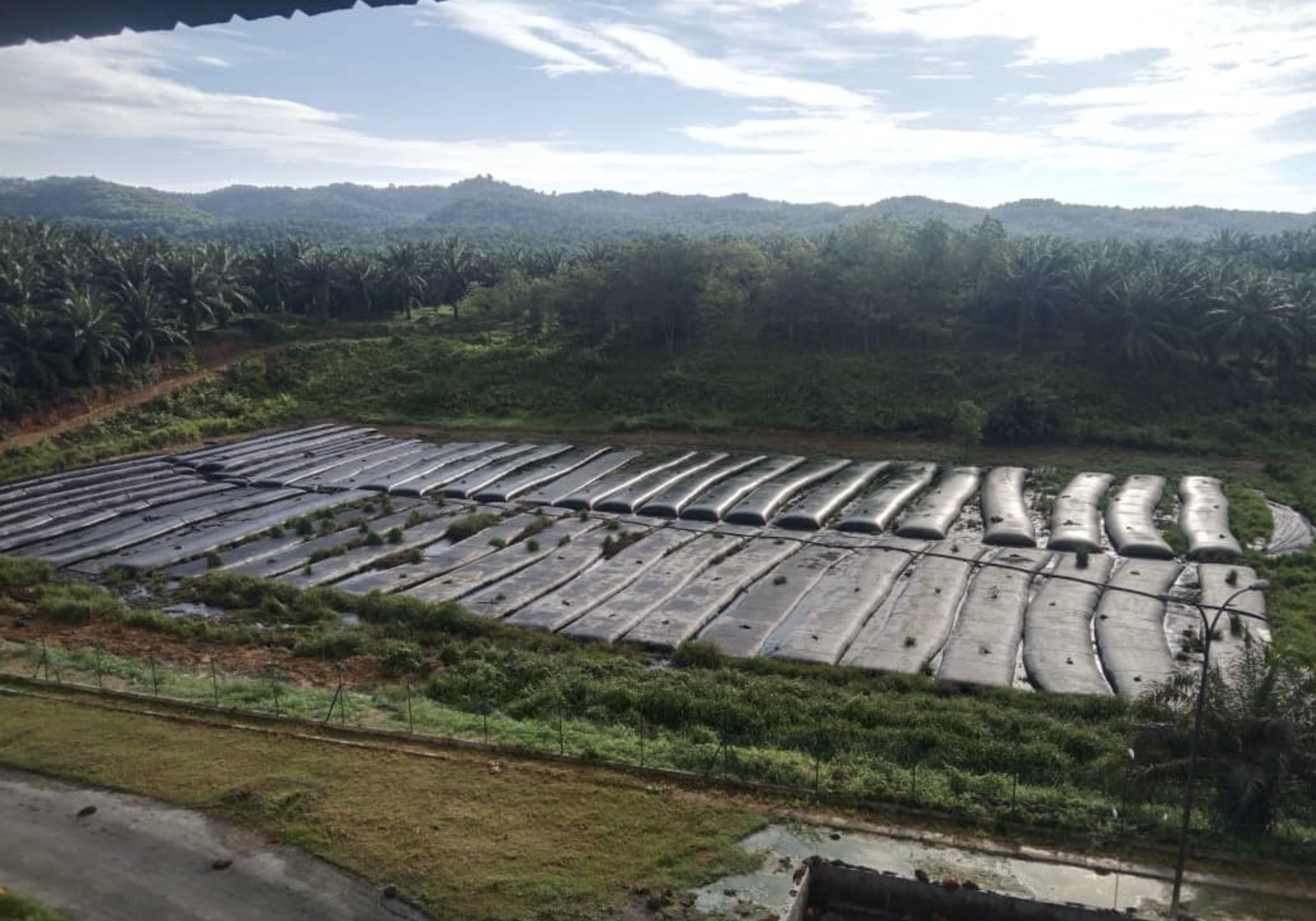
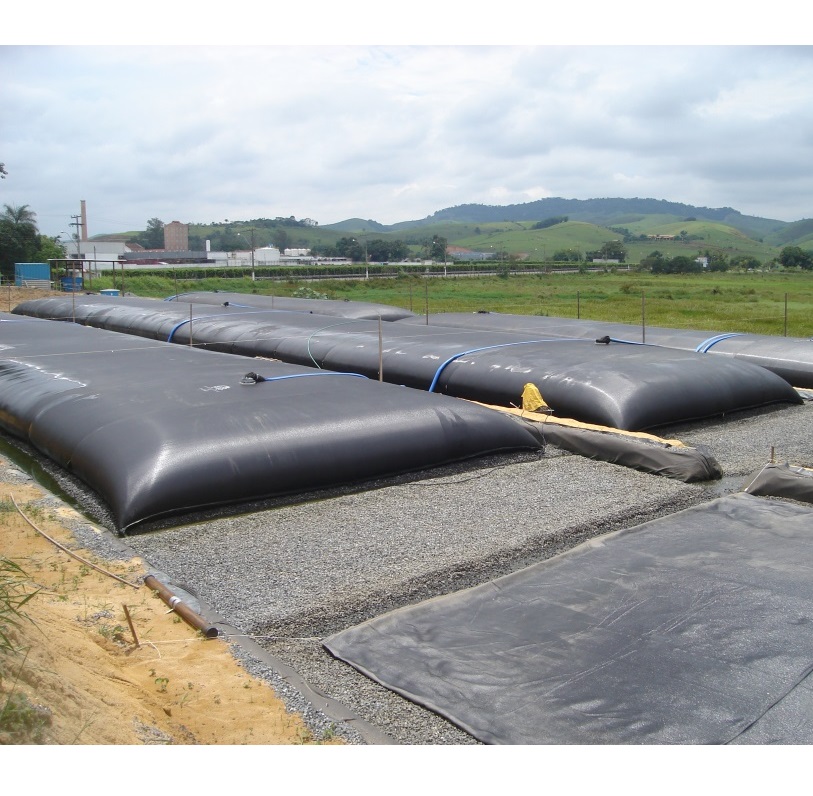
A geotextile tube is a high-strength, permeable tubular geosynthetic product engineered for organic sludge dewatering. POME sludge is pumped into the tube. The geotextile fabric retains solid particles while filtrate drains out. The collected water can be recycled back to the wastewater system or discharged after polishing. Inside the tube, stable conditions accelerate microbial degradation of organic matter.
Custom sizes: 1–2 m diameter × 10–20 m for small mills; 3–5 m diameter, over 50 m long for large plants. Daily sludge handling capacity ranges from tens to hundreds of cubic meters.
Dewatering takes roughly 1–2 weeks depending on climate. Final biosolids have moisture below 60%, rich in NPK, and can be screened into organic fertiliser.
✅ Solid capture rate ≥90%, far higher than standard sedimentation ponds
✅ Dewatering cycle 60% shorter than natural drying, stable operation year-round
✅ Sludge treatment cost reduced by 40%–60% vs excavation; fertiliser by-products offset investment
✅ Realises circular economy: sludge recycling, water reuse and land saving
This mill produces 5,000 m³ POME daily. Sludge had occupied nearly 40% of pond usable volume. After adopting geotextile tube dewatering:
5 sets of 4 m × 30 m geotextile tubes treat 200 m³ sludge per day. Dewatered biosolids meet organic fertiliser standards for palm plantation application, generating ~USD 80,000 extra revenue yearly. Sludge cost cut by 55%, investment recovered within 1 year.
Water clarity improved from 30 cm to 80 cm; BOD removal rate raised from 60% to 85% for stable compliant discharge.
Desludging cycle extended from 2 years to 5 years. No new ponds required, saving over USD 2 million on land and construction.